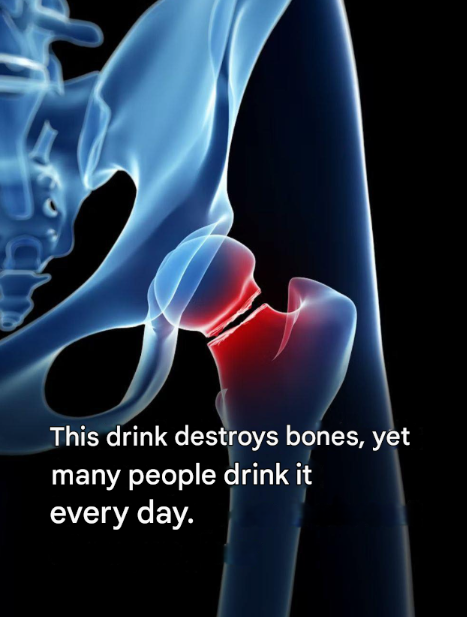
2. Excessive coffee consumption: a trap for caffeine lovers
One cup of coffee a day is fine. But beyond three or four, caffeine inhibits the proper absorption of calcium by the intestines. The body then eliminates more minerals through urine, reducing bone density in the long term. Older people, already weakened by natural calcium loss, are most at risk.
To balance it out, simply accompany each coffee with a glass of mineral water rich in calcium or slightly reduce your daily consumption.
3. Energy drinks: too much acidity, too much stress
Energy drinks are appealing because of their quick energy boost, but their composition is detrimental to your health.
Their high caffeine, sugar, and acid content stimulates oxidative stress and accelerates the breakdown of bone collagen. Furthermore, these drinks often contain sodium, which increases the rate at which calcium is lost through the kidneys.
“I’ll never go to Leclerc again”: a customer denounces a shocking practice in the beauty aisles
These three astrological signs will have to face the loss of a loved one, according to the stars.
Simply put, the more you drink, the more your skeleton is depleted of essential minerals. Replacing these drinks with natural alternatives, such as a fruit smoothie or infused water, helps preserve energy without weakening your bones.
4. Alcohol: a silent enemy of bone density
Alcohol affects bones in several ways. It disrupts the production of hormones involved in calcium metabolism and reduces the formation of new bone cells. Regular drinkers often suffer from a vitamin D imbalance, which is essential for calcium absorption. Excessive consumption also inhibits the activity of osteoblasts, the cells that build bone mass.
Even small amounts, consumed too frequently, can accelerate skeletal fragility.
5. Processed juices: false friends for bone health
Many people believe that fruit juices are healthy. However, bottled juices often contain more sugar than a can of soda. Their natural acidity, accentuated by additives and preservatives, promotes mineral loss. Drinking freshly squeezed orange juice remains a better option, but it should be consumed in moderation. The fiber in whole fruits limits the rapid absorption of sugar and helps stabilize calcium levels in the body.
How to preserve your bones on a daily basis
To maintain strong bones, it's best to prioritize water, natural herbal teas, and plant-based drinks fortified with calcium. A diet rich in green vegetables, almonds, dairy products, and legumes also strengthens bone density. Sunlight also plays a key role: it stimulates the production of vitamin D, essential for calcium absorption.
Staying active remains the best weapon against bone fragility. Walking, yoga, or light weight training naturally stimulate bone cell regeneration.
Read
The drink that will empty all hospitals by 2025: it eliminates all types of cancer and chronic diseases.
Sugary, acidic, or alcoholic drinks accelerate bone demineralization. Their effects often go unnoticed, but accumulate over time. Reducing their consumption, favoring water, and adopting a balanced diet are enough to maintain strong and healthy bones.
For Complete Cooking STEPS Please Head On Over To Next Page Or Open button (>) and don’t forget to SHARE with your Facebook friends.