🌱 What Is Cassava?
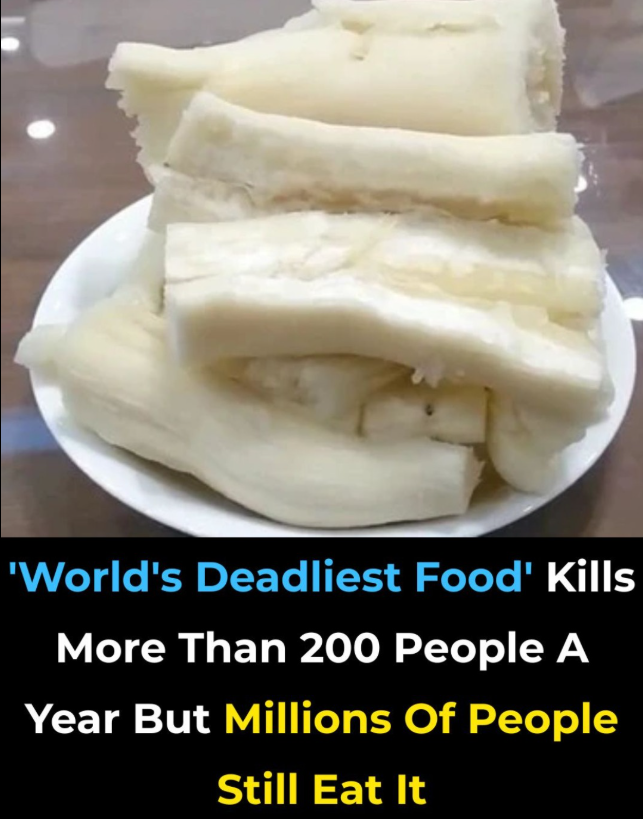
Cassava (also known as yuca, not to be confused with yucca the ornamental plant) is a hardy, drought-resistant tuber that looks like a thick, brown-skinned sweet potato.
It's a dietary cornerstone for over 800 million people worldwide, especially in regions where other crops fail due to poor soil or climate.
You may know it as:
The base of tapioca pearls in bubble tea
Garri or fufu in West African cuisine
Farofa in Brazilian cooking
A gluten-free flour alternative
But beneath its unassuming surface lies a hidden danger.
⚠️ Why Is Cassava Called the “World’s Deadliest Food”?
Because raw or improperly processed cassava contains cyanogenic glucosides—natural compounds that turn into hydrogen cyanide when eaten.
Yes.
👉 Cyanide. The same poison used in chemical warfare.
And here’s what happens when it’s not removed:
Acute poisoning
Nausea, dizziness, seizures, respiratory failure, death within hours
Chronic exposure
Goiter, nerve damage, paralysis
Konzo
Sudden, irreversible leg paralysis—linked to bitter cassava + low-protein diets
According to the World Health Organization (WHO), over 200 deaths per year are linked to improperly prepared cassava—mostly in rural areas during famines or conflicts when proper processing isn’t possible.
🧪 How Does Cassava Become Safe?
The good news?
👉 Cassava isn’t deadly when prepared correctly.
For centuries, traditional cultures have developed methods to remove its toxins. These techniques break down cyanide before the food ever hits the plate.
✅ Key Steps to Detoxify Cassava:
Peel thoroughly – Toxins concentrate in the skin.
Cut into small pieces – Increases surface area for toxin removal.
Soak in water – For 12–48 hours, depending on variety.
Ferment – Used in garri and fufu; microbes break down cyanide.
Grate & dry – Sun-drying releases cyanide gas.
Cook thoroughly – Boiling or roasting completes detoxification.
🔬 Science note: Proper soaking and cooking can reduce cyanide levels by up to 95%.
In countries like Nigeria, Brazil, and Thailand, these methods are passed down through generations—and save lives every day.
🍽️ Why Do So Many People Still Eat It?
Because cassava is a survival crop.
Here’s why it’s irreplaceable:
✅ Grows in poor soils and drought conditions
✅ Feeds families when rice, wheat, or corn fail
✅ Stores well underground—can be harvested months later
✅ High in carbohydrates—fills hungry bellies fast
For millions living in food-insecure regions, cassava isn’t just food.
It’s resilience.
And when prepared safely?
It’s nutritious, filling, and delicious.
🌍 Where Is It Eaten?
Cassava is a global staple:
West Africa
Fufu, Garri, Abacha
Latin America
Arepas, Casabe (flatbread), Sancocho
Caribbean
Bammy (Jamaica)
Southeast Asia
Tapioca pudding, cassava cake
Brazil
Farofa (toasted flour), Pão de Queijo (cheese bread)
Even in grocery stores in the U.S., you’ll find cassava flour labeled as "gluten-free yuca flour."
❓ Can You Eat Cassava Safely at Home?
✅ Yes—but only if you follow strict preparation rules.
If You’re Cooking Cassava:
Buy fresh, firm roots – Avoid moldy or soft spots.
Peel deeply – Remove all brown outer skin.
Soak for 12–24 hours – In clean water.
Boil thoroughly – Never eat raw.
Ventilate your kitchen – Cyanide gas escapes during cooking—keep windows open!
🚫 Never consume bitter-tasting cassava. Sweet varieties are safer and more common in markets.
💡 Pro tip: Pre-cooked cassava (like frozen fufu) or commercial tapioca products are already detoxified—safe to use.
❤️ Final Thought: Danger Lies Not in the Plant—But in Knowledge
Cassava isn’t evil.
It doesn’t want to kill anyone.
The real issue?
👉 Poverty, war, and lack of access to safe food practices.
When people are starving, they skip soaking.
When clean water is scarce, fermentation fails.
And that’s when tragedy strikes.
But with knowledge, tradition, and care?
Cassava becomes not just safe—but sacred.
Because food shouldn’t be feared.
It should be respected.