🔴 What Are Thrombi? (And Why They’re Life-Threatening)
A thrombus is a blood clot that forms inside a blood vessel — without injury.
While clotting is essential to stop bleeding, abnormal clots can:
Block blood flow to the brain → Stroke
Travel to the lungs → Pulmonary embolism
Clog heart arteries → Heart attack
Form in legs → Deep Vein Thrombosis (DVT)
Even one untreated clot can be fatal.
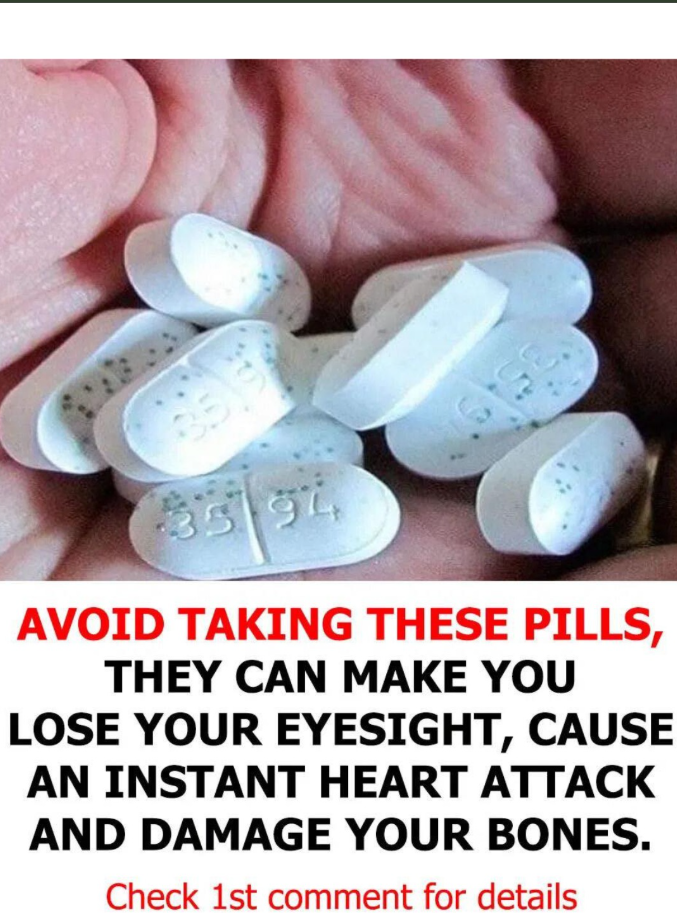
And certain medications can increase your risk — especially if you have underlying health conditions.
💊 Medications Linked to Increased Clotting Risk
While not all drugs in these categories are dangerous, specific formulations have raised red flags. Always consult your doctor — never stop medication without medical advice.
1. Certain Hormonal Contraceptives
Some birth control pills, patches, and implants — especially third- and fourth-generation progestins (like drospirenone, desogestrel) — are associated with a higher risk of venous thromboembolism (VTE).
✅ Higher risk if you also have:
Obesity
Smoking
Personal or family history of clots
Age over 35
📌 Safer options exist — talk to your gynecologist about alternatives.
2. Some Anti-Inflammatory Drugs (NSAIDs)
Common pain relievers like diclofenac, ibuprofen (in high doses), and celecoxib have been linked to a small but real increase in heart attack and stroke risk, especially with long-term use.
✅ Risk is higher in people with:
High blood pressure
Heart disease
Kidney issues
📌 For chronic pain, ask your doctor about safer alternatives.
3. Weight-Loss Pills & Appetite Suppressants
Certain diet drugs — past and present — have been pulled due to cardiovascular risks.
Examples:
Fenfluramine (part of “Fen-Phen”) — withdrawn in 1997 for heart valve damage
Sibutramine — banned in 2010 for increasing heart attack and stroke risk
⚠️ Today, some over-the-counter “fat burners” contain unregulated stimulants that may raise blood pressure and clot risk.
📌 Avoid unapproved supplements — stick to FDA-approved weight-loss medications under medical supervision.
4. Rare Cases: COVID-19 Treatments & Vaccines
During the pandemic, rare clotting events were linked to:
Adenovirus-vector vaccines (like Johnson & Johnson and AstraZeneca) — associated with VITT (vaccine-induced immune thrombotic thrombocytopenia)
Some anticoagulant therapies — if mismanaged
✅ Important: The risk was extremely rare — and the benefits of vaccination far outweighed the risks for most people.
📌 If you had a reaction, it’s recorded in your medical history — inform future providers.
🚨 Warning Signs of a Blood Clot — Seek Help Immediately
If you’re taking any of these medications — or have recently — know the symptoms.
Seek emergency care if you experience:
🫀
Sudden chest pain or pressure
Heart attack or pulmonary embolism
🌬️
Shortness of breath or coughing (especially with blood)
Lung clot
🦵
Swelling, pain, or warmth in one leg
Deep vein thrombosis (DVT)
🧠
Sudden severe headache, vision changes, or slurred speech
Stroke
💓
Rapid or irregular heartbeat
Possible embolism or heart strain
Don’t wait. Don’t downplay it.
Minutes matter when a clot is involved.
✅ What You Should Do: Protect Yourself
Never stop prescribed meds on your own
Sudden withdrawal can be dangerous
Talk to your doctor about your risk
Review your health history and current meds
Know your family history
Genetic clotting disorders (like Factor V Leiden) increase risk
Report side effects
Use your country’s official reporting system (e.g., FDA MedWatch)
Stay informed through trusted sources
Follow updates from
CDC, WHO, EMA, or your national health agency
🛡️ Reduce Your Risk: Lifestyle Matters
Even if you’re on medication, you can lower your clot risk:
Stay active — walk daily
Improves circulation
Stay hydrated
Thick blood clots more easily
Avoid long periods of sitting
Especially during travel
Quit smoking
Smoking damages blood vessels
Maintain a healthy weight
Reduces strain on heart and veins
💬 Final Thoughts: Your Awareness Could Save Your Life
We trust our prescriptions.
We follow doctor’s orders.
We assume safety.
But medicine is not one-size-fits-all.
Some drugs help millions — but carry risks for a few.
And your job isn’t to panic.
It’s to stay informed.
To ask questions.
To listen to your body.
Because sometimes, the difference between “I feel fine” and “I need help”…
Isn’t in the pill.
It’s in the awareness.
So if you’re on any medication — especially long-term — review it with your doctor.
Ask:
“Could this increase my risk of clots?”
“Are there safer alternatives?”
“What symptoms should I watch for?”
Your vigilance isn’t fear.
It’s self-protection.
And in the world of modern medicine…
That’s the most powerful tool you have.