1. Chronic Venous Insufficiency (CVI)
What it is:
A condition where the valves in your leg veins weaken or fail, making it harder for blood to flow back to the heart. As a result, blood pools in the legs, causing veins to stretch, bulge, and become visible.
Symptoms to watch for:
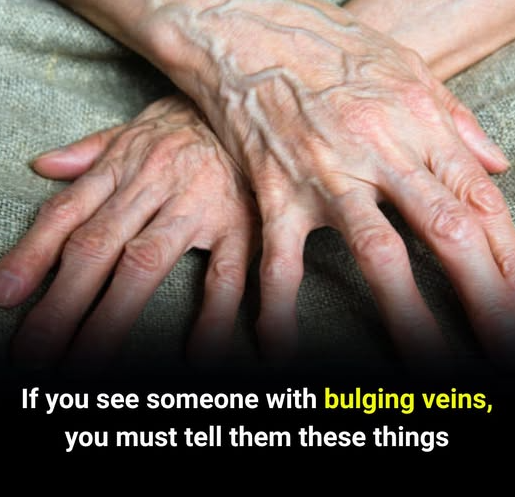
Veins that look twisted, rope-like, or swollen
Aching, heaviness, or cramping in the legs
Swelling in the ankles and calves
Skin discoloration (brownish tint) or venous ulcers near the ankles
Who’s at risk:
People who stand or sit for long periods
Pregnant women
Older adults
Those with a family history of vein problems
Why it matters:
Left untreated, CVI can lead to blood clots, skin infections, or open sores that are hard to heal.
2. Varicose Veins
What it is:
A common form of superficial vein dysfunction, where veins — usually in the legs — become enlarged, twisted, and dark blue or purple. While often seen as a cosmetic concern, varicose veins can signal deeper circulatory issues.
Symptoms:
Bulging, raised veins under the skin
Itching, burning, or throbbing around the veins
Leg fatigue or restlessness
Worsening discomfort after long periods of standing
Risk factors:
Genetics
Obesity
Pregnancy
Prolonged sitting or standing
Note: While not always dangerous, varicose veins can progress to CVI or DVT if ignored.
3. Deep Vein Thrombosis (DVT)
What it is:
A life-threatening condition where a blood clot forms in a deep vein, usually in the leg or thigh. While the clot itself isn’t visible, it can cause surface veins to become more prominent due to blocked blood flow and swelling.
Warning signs:
Sudden swelling in one leg (not both)
Pain or tenderness, often starting in the calf
Warmth and redness over the affected area
Visible, engorged veins
Urgent: DVT is a medical emergency.
If the clot breaks loose, it can travel to the lungs, causing a pulmonary embolism — a potentially fatal condition.
👉 Seek immediate medical help if you experience these symptoms.
4. Congestive Heart Failure (CHF)
What it is:
When the heart can’t pump blood effectively, it leads to fluid buildup in the body — especially in the legs, ankles, and abdomen.
This increased pressure can cause veins in the neck (jugular veins) and limbs to become visibly distended.
Other symptoms:
Shortness of breath (especially when lying down)
Fatigue and weakness
Swelling in the legs and feet
Rapid or irregular heartbeat
Why it matters:
Visible neck veins (jugular venous distension) are a key clinical sign of CHF and require prompt evaluation.
5. Peripheral Vascular Disease (PVD)
What it is:
PVD occurs when arteries and veins in the limbs become narrowed or blocked due to plaque buildup (atherosclerosis). While it primarily affects arteries, it can also disrupt venous circulation.
As the body tries to reroute blood, surface veins may become more visible — a compensatory response to poor circulation.
Symptoms:
Cold or numb limbs
Leg pain while walking (claudication)
Weak or absent pulses in the feet
Shiny, thin skin over the legs
Slow-healing sores or ulcers
PVD increases the risk of heart attack, stroke, and limb amputation if untreated.
When to See a Doctor
Not all visible veins are a cause for concern — especially if they’ve developed gradually and cause no pain.
But seek medical attention if you notice:
Sudden appearance of bulging veins
Pain, swelling, or warmth in one limb
Skin discoloration, ulcers, or sores that won’t heal
Veins that are hard, red, or tender to the touch
One leg significantly more veiny than the other
These could be signs of DVT, CVI, or heart-related issues — all of which benefit from early diagnosis and treatment.
Final Thought: Your Veins Are Speaking — Listen to Them
Veins do more than carry blood.
They’re messengers — quietly signaling what’s happening beneath the surface.
A few visible veins may be nothing.
But sudden, painful, or asymmetrical changes could be your body’s way of saying:
“Something’s wrong. Pay attention.”
So don’t brush it off.
Don’t wait for it to get worse.
Because sometimes, the most visible sign of an internal problem is right under your skin.
Your health isn’t just in your heart — it’s in your veins.
For Complete Cooking STEPS Please Head On Over To Next Page Or Open button (>) and don’t forget to SHARE with your Facebook friends.